Introduction
In contemporary residential design, stairs are no longer just a functional element. They have become a defining architectural feature that shapes how people move through and experience a space. Custom architectural stairs for modern homes are increasingly designed as focal points—connecting levels while expressing material quality, proportion, and intent.
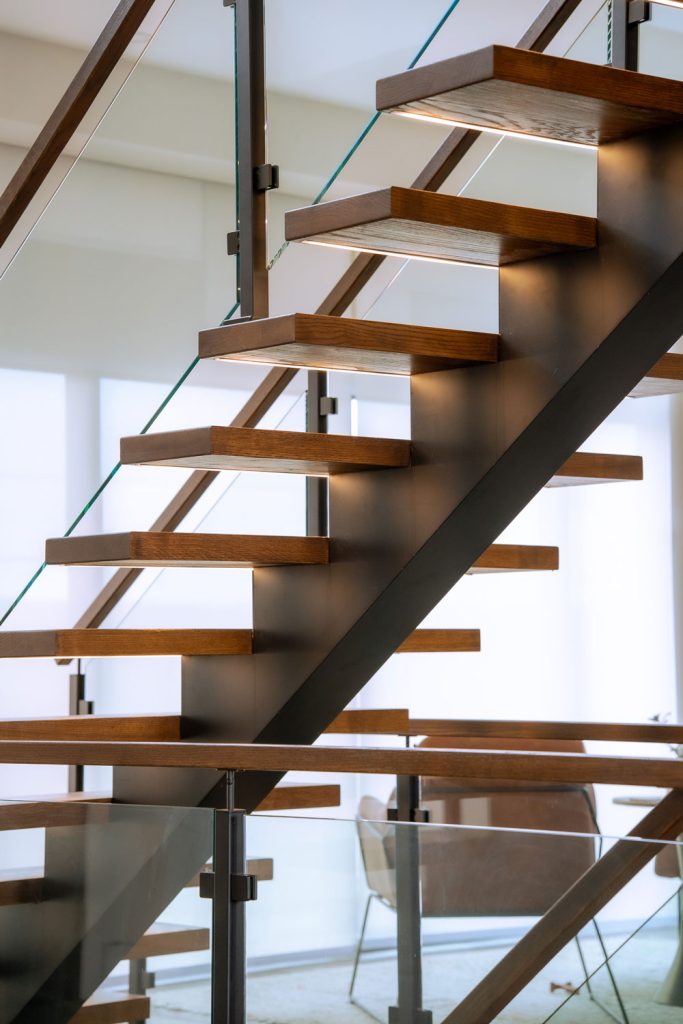
Unlike standard stair systems, custom solutions respond directly to the home’s layout, structure, and aesthetic language. From floating stairs to sculptural steel and wood combinations, architectural stair design plays a crucial role in both form and function. Understanding what makes these stairs different helps homeowners, designers, and builders make informed decisions early in the design process.
What Makes Architectural Stairs “Custom”?
Custom stairs are designed specifically for one space, rather than adapted from pre-manufactured components. This approach allows full control over geometry, materials, detailing, and how the stair integrates with surrounding architecture.
Key characteristics of architectural stairs Canada projects often include:
Because every home is different, custom stair design allows flexibility that standard systems cannot offer. This is especially important in modern homes where open plans, minimal detailing, and visual continuity are priorities.
In modern residential design, stairs often act as a visual anchor. Modern staircase design focuses on simplicity, balance, and clarity of form, rather than ornamentation.
Common design approaches include:
These design strategies help stairs feel integrated rather than intrusive. When executed properly, the staircase enhances circulation while reinforcing the overall architectural concept of the home.
Material selection plays a major role in both performance and appearance. In architectural fabrication, materials are chosen not only for aesthetics but also for strength, durability, and long-term maintenance.
Typical materials used in custom stair projects include:
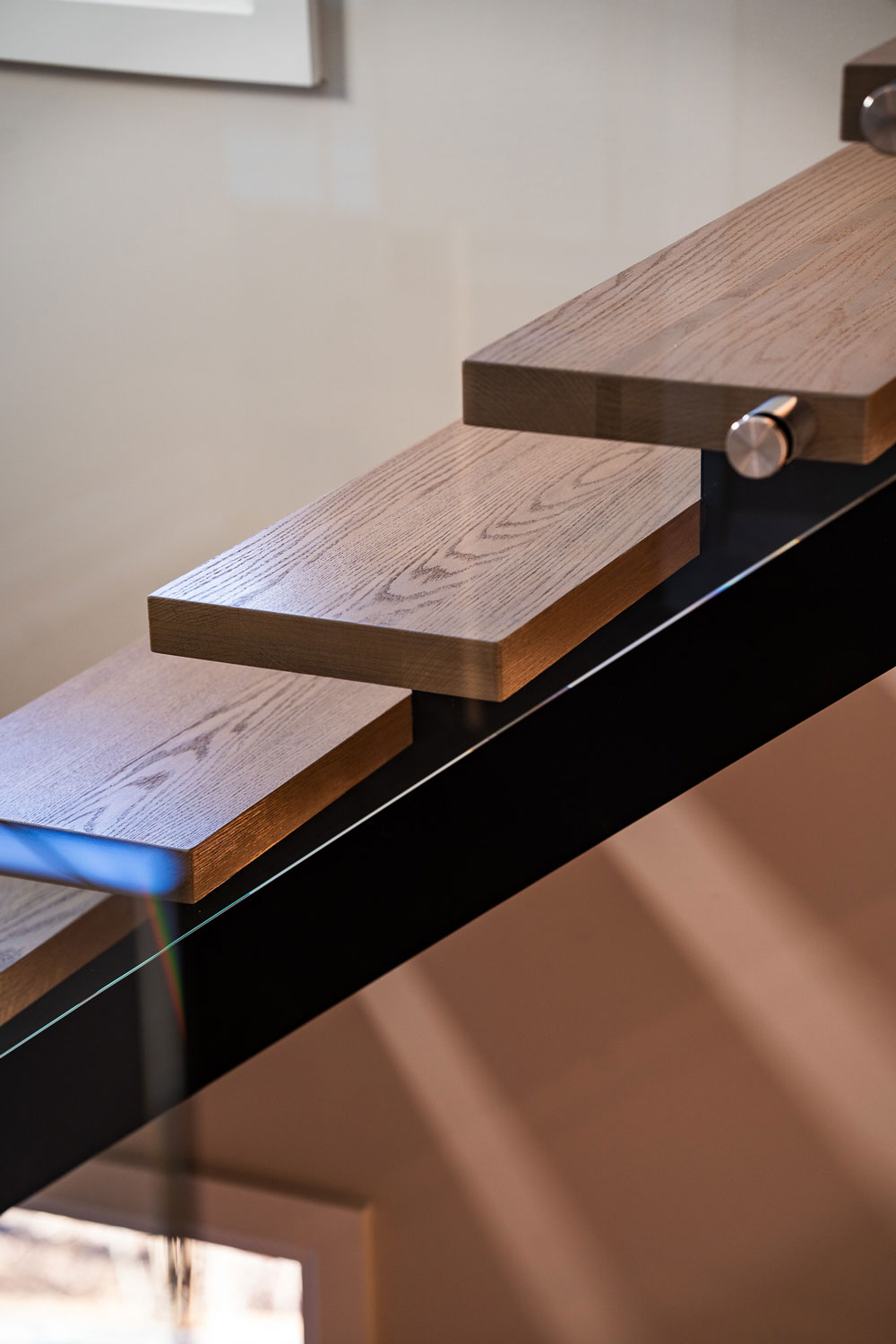
Many modern homes combine materials—such as steel stringers with wood treads—to balance visual warmth and structural efficiency. These combinations are often produced using advanced CNC fabrication services, ensuring precision and consistency across components.
Custom stairs rely heavily on accurate fabrication. Architectural fabrication allows designers and fabricators to translate digital models into physical components with tight tolerances.
Benefits of fabrication-driven stair design include:
Using digital workflows and CNC processes helps reduce errors and ensures the final installation matches the original design intent.
One of the most common mistakes in residential projects is treating stairs as a late-stage detail. In reality, stair design should be addressed early, alongside structural and layout planning.
Early coordination allows for:
When stairs are designed as part of the architectural system rather than an add-on, the result feels intentional and cohesive.
Beyond aesthetics, well-designed custom stairs contribute to the long-term value of a home. They improve usability, durability, and overall design quality—factors that matter to both occupants and future buyers.
Custom stairs can:
In modern residential architecture, stairs are no longer secondary elements. They are part of the home’s identity.
Custom architectural stairs for modern homes combine design, engineering, and fabrication into a single, purposeful element. When planned carefully and executed with precision, they enhance both how a home looks and how it functions.
For homeowners and design professionals exploring modern stair solutions, understanding materials, fabrication methods, and early planning considerations is key. Thoughtful stair design supports better architecture—and better everyday experiences.
If you’d like to learn more about architectural stair design or explore how custom solutions can support your next project, feel free to get in touch and continue the conversation.